
Planting trees is more than an act of environmental goodwill—it’s a commitment to nurturing the planet for generations to come. A well-planned plantation drive can rejuvenate ecosystems, improve air quality, and bring communities together. At Divriti Foundation, our initiatives are designed to guide individuals, schools, and organizations on how to plan a successful plantation drive step by step, ensuring every sapling planted not only grows but thrives. If you’re ready to make a meaningful impact, here’s a comprehensive guide to help you organize a sustainable and effective plantation drive in 2025.
Planning a tree plantation drive is one of the most rewarding ways to contribute to the planet—but success depends on more than just planting saplings. A truly impactful drive requires thoughtful preparation, community participation, and post-plantation care. At Divriti Foundation, our initiatives focus on guiding individuals and organizations on how to plan a successful plantation drive step by step, ensuring every tree not only takes root but also thrives for years to come. This guide will walk you through practical steps, expert tips, and sustainable methods inspired by Divriti Foundation’s plantation programs, helping you turn your next plantation drive into a long-lasting green legacy.
A plantation drive isn’t just about planting trees—it’s about ensuring their survival. The success of any drive lies in thoughtful preparation, the use of native tree species, and active community involvement. Poorly planned drives often lead to low survival rates, wasted resources, and ecological imbalance.
Through Divriti Foundation initiatives, we have seen how strategic planning, community engagement, and post-care monitoring can transform barren spaces into thriving green zones. A well-structured approach ensures that every planted sapling becomes a lasting part of the ecosystem.
Key Metrics NGOs Can Track
Start by identifying the objective of your plantation drive. Are you aiming to combat urban pollution, increase biodiversity, or create shaded community spaces? Having a clear vision helps align all efforts—from selecting the site to choosing suitable tree species. At Divriti Foundation, every plantation project begins with well-defined environmental and social goals.
The location determines the long-term success of your plantation. Conduct a site survey to assess soil conditions, sunlight, drainage, and accessibility. Ideal spots include school grounds, community parks, roadside stretches, or degraded open lands. Divriti Foundation initiatives prioritize locations where trees can grow without interference and benefit the surrounding community.
Selecting native trees is one of the most important steps for a successful plantation. Native species such as neem, peepal, jamun, banyan, and tamarind are naturally adapted to local climates, require less maintenance, and support biodiversity. Planting non-native or invasive species can disrupt ecosystems—so always go local.
Our Divriti Foundation plantation projects emphasize ecological restoration through native species, ensuring sustainability and long-term survival.
Community involvement transforms plantation drives into collective movements. Encourage participation from schools, corporates, local residents, and volunteers. When communities feel a sense of ownership, they are more likely to protect and nurture the saplings after planting.
Divriti Foundation initiatives regularly conduct awareness sessions, workshops, and volunteer events to empower citizens to take responsibility for their green surroundings.
A well-organized plantation drive needs resources—saplings, tools, fertilizers, watering cans, and protective guards. Plan your budget and logistics early. It’s best to schedule your drive during the monsoon season to leverage natural rainfall. Also, ensure adequate post-plantation care arrangements, such as watering schedules and soil enrichment.
Through years of experience, Divriti Foundation has built efficient models for managing plantation logistics while minimizing environmental impact.
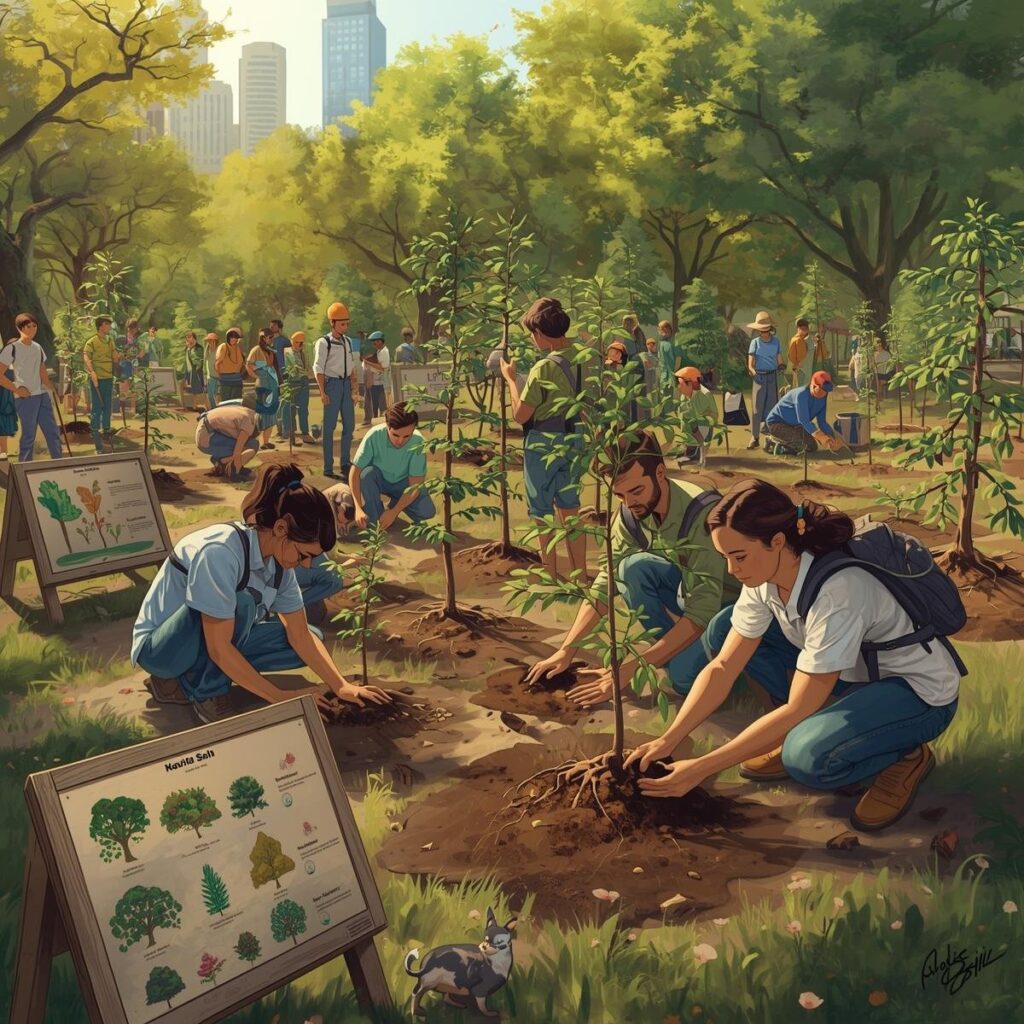
On the day of the plantation, brief all volunteers about the process—proper pit digging, spacing between saplings, and gentle handling of roots. Organize the event systematically, ensuring everyone contributes and learns. Documenting the process through photos or videos also helps create awareness and inspires others to join future drives.
Divriti Foundation’s plantation events follow a standard procedure that ensures safety, engagement, and effective tree planting techniques.
The most crucial phase begins after planting. Regular watering, mulching, and periodic health checks are essential for young saplings. Assign community members or volunteers to monitor growth, replace dead plants, and ensure protection from grazing or vandalism.
Divriti Foundation initiatives include a structured post-plantation care system that monitors survival rates and overall ecosystem improvement. This commitment ensures that every tree continues to thrive for years to come.
Copyright © 2025 All Rights Reserved.