
Planting trees is one of the most impactful ways to combat climate change and rejuvenate our planet—but successful plantation drives require thoughtful planning and execution. From choosing the right location to selecting native species and involving the community, every step determines how well the saplings survive and thrive. At Divriti Foundation, our initiatives are built around empowering individuals and organizations to plan and execute successful plantation drives that make a lasting environmental difference.
A plantation drive’s success isn’t measured by how many trees are planted, but by how many survive and flourish. Proper planning ensures that the right species are chosen, the right site is prepared, and the right people are involved. Through well-organized Divriti Foundation initiatives, we’ve seen how strategic planning can boost sapling survival rates and inspire entire communities to take ownership of their green spaces.
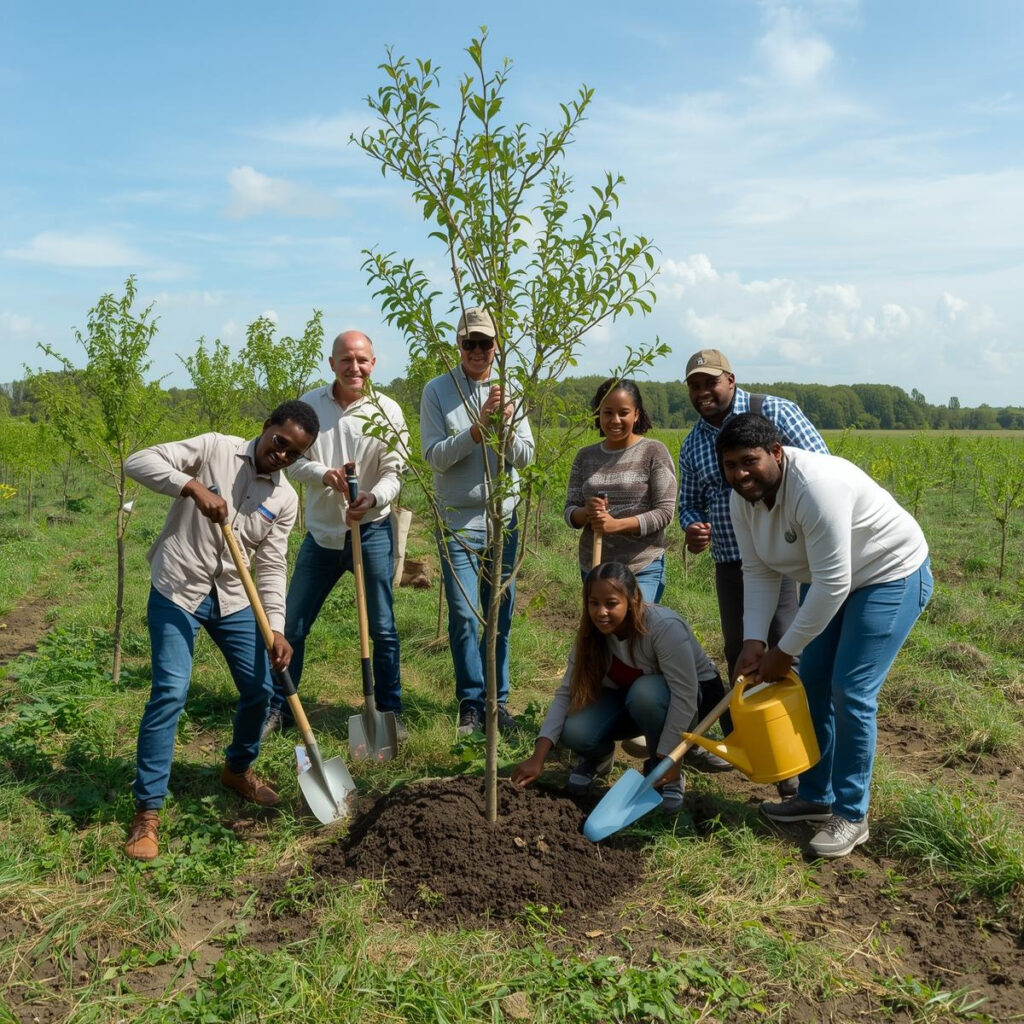
Guide to Planning a Successful Plantation Drive
1. Define Your Objective
Start by identifying your purpose. Is the goal to reduce carbon emissions, restore a degraded patch of land, or create shade and biodiversity in urban areas? Defining a clear objective helps guide every decision—from location to species selection—and aligns your plantation drive with measurable environmental outcomes.
2. Choose the Right Location
The site determines the survival rate of your trees. Evaluate soil type, sunlight exposure, drainage, and accessibility. Areas like roadside patches, school campuses, or community parks often make excellent sites. Divriti Foundation initiatives often begin with soil testing and site mapping to ensure saplings have the best chance to grow sustainably.
3. Select Native Tree Species
Opt for native trees that naturally thrive in local conditions. They require less maintenance and are more resilient to weather changes. Common choices include neem, peepal, banyan, jamun, and amla. Choosing native species also supports local biodiversity—one of the key priorities in Divriti Foundation’s plantation projects.
4. Engage the Community
Community involvement is the heart of a successful plantation drive. Partner with local schools, residents, and volunteers to build collective ownership. When people feel connected to the cause, they’re more likely to care for the saplings post-plantation. Divriti Foundation initiatives always emphasize community participation as a cornerstone for long-term success.
5. Plan Logistics and Resources
A well-organized event requires planning materials like tools, saplings, fertilizers, watering cans, and protective guards. Schedule your plantation during the early monsoon months for better moisture retention and natural irrigation. Always prepare backup resources for unexpected weather or participant turnout.
6. Post-Plantation Care and Monitoring
Planting is just the beginning. Regular watering, mulching, and monitoring are essential for ensuring survival. Assign responsibility to local volunteers or caretakers to track progress over time. Divriti Foundation integrates a monitoring system that measures growth rates, sapling health, and overall ecological improvement.
7. Document and Share
the Impact After the plantation drive, capture photos, videos, and testimonials. Sharing these stories not only inspires others but also highlights your contribution to the environment. Through transparent documentation, Divriti Foundation initiatives showcase measurable outcomes that motivate future volunteers and donors.
Copyright © 2025 All Rights Reserved.