
Tucked deep within the Himalayas, the Shrikhand Kailash Yatra is one of India’s most spiritually significant yet physically demanding pilgrimages. Thousands of devotees trek the steep, rocky terrain each year to pay their respects at this sacred peak. However, the journey’s growing popularity has brought a silent but serious issue, waste disposal. As footfall increases, so does the environmental burden. The Divriti Foundation initiatives are working to ensure this holy route remains as pristine as the faith it inspires.
The Shrikhand Kailash Route, located in Himachal Pradesh, stretches through fragile ecosystems, glaciers, and narrow ridges. The trek’s beauty lies in its untouched wilderness, however its isolation also makes waste management incredibly challenging. Without proper disposal systems, plastic bottles, food wrappers, and non-biodegradable waste are left behind, threatening both the landscape and local biodiversity.
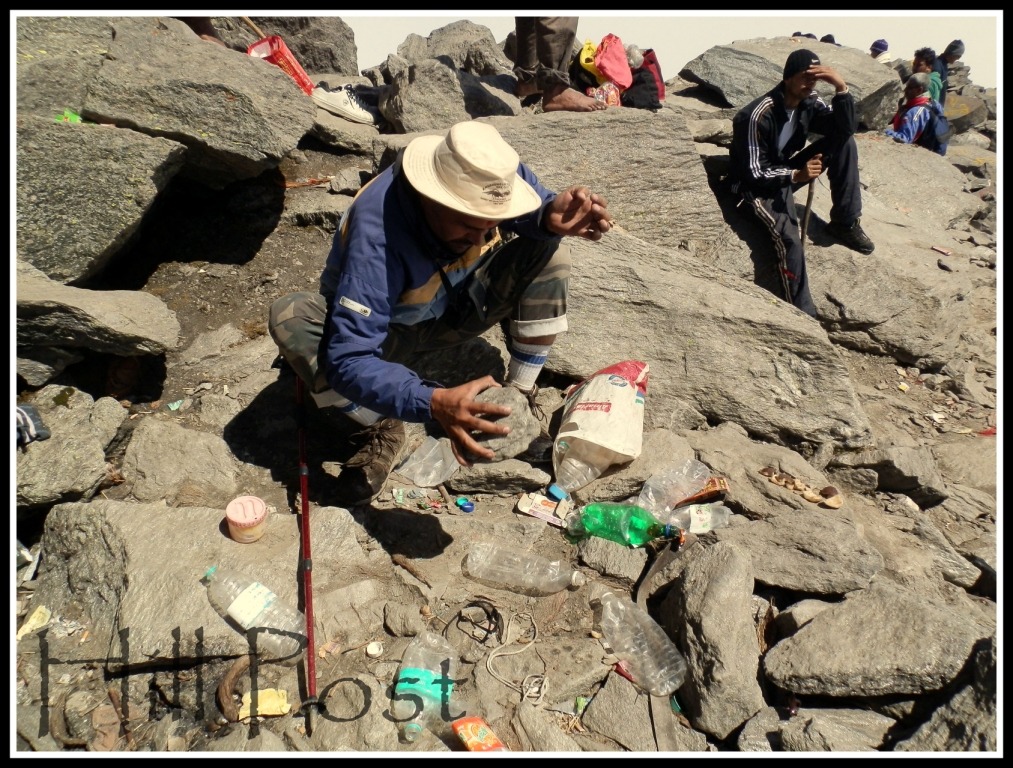
As pilgrims ascend higher, they generate more waste with limited facilities to manage it. Steep paths and lack of vehicular access make waste disposal in Shrikhand Kailash logistically difficult. Much of the garbage is either burned, buried, or abandoned, harming the soil, water sources, and mountain flora.
The problem is not merely about cleanliness; it’s about preserving the Himalayan ecology. Without our efforts, the Himalayan landscape will boast another hill, one that will be completely composed of plastic bottles, bags and other garbage.

Divriti Foundation focuses on educating pilgrims on how to properly manage their waste as well as encouraging them to trek responsibly, by carrying their waste back.
To ensure that no waste gets left behind, Divriti organizes cleanup drives before and after the yatra, leaving a clean and pristine sight.
Prevention is always better than cure, and Divriti aims to inculcate biodegradable materials into the everyday life of a trekker, cutting off the abundance of polluting waste at the root.
Copyright © 2025 All Rights Reserved.